


You can see stars from Ayers Rock Resort, and not just a few twinkling lights in the sky. We’re talking about spectacular views of the Milky Way, the Southern Cross shining bright, the Magellanic Clouds drifting lazily overhead, and skies that’ll leave you speechless – like being caught off guard by a sudden sandstorm.
When I was a young guide over in Central Australia, I first experienced this myself – stepping out of my room and looking up at the sky was like being transported to the heart of the Southern Hemisphere’s Milky Way.
The resort is right on the doorstep of Uluru-Kata Tjuta National Park, which means you’ve got some of the darkest skies left in the Northern Territory – and hardly any light pollution to spoil the view. You can pitch up at the campground or splash out and stay somewhere fancy like Sails in the Desert or Desert Gardens Hotel, either way you’re in the perfect position for some serious stargazing – and if you join a Guided Tour or head along to an Uluru Astronomy session, you’ll even get to hear some cosmic stories.
Contents
Why the Red Centre Sky Hits Different
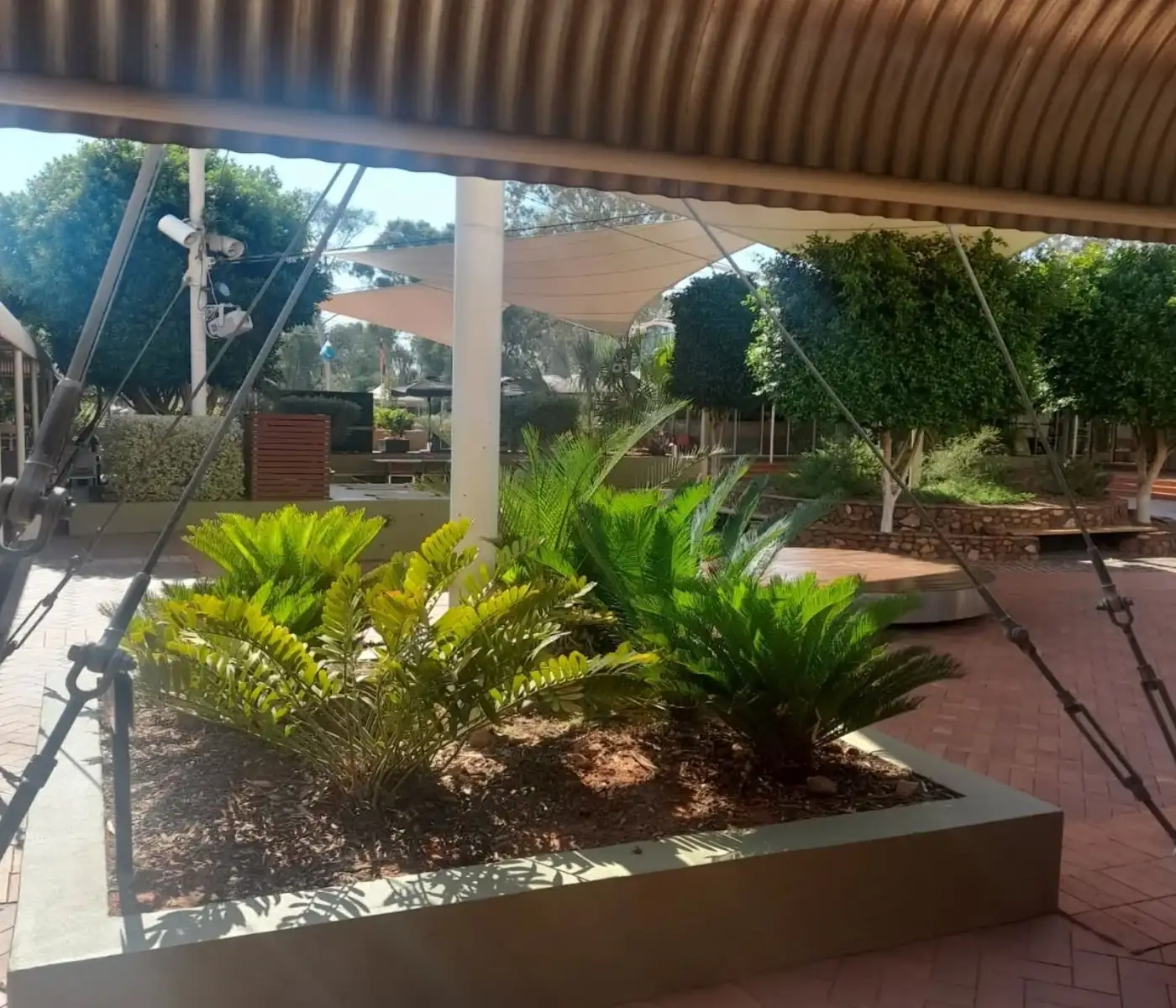
Stargazing at Ayers Rock Resort is more than just a bit of amateur astronomy – it’s a full-on Outback sky adventure. And for people joining an Ayers Rock tour, the night sky is usually the moment when everything just clicks into place.
Here in the desert, the dry air, low humidity, and miles and miles of open space combine to create perfect viewing conditions. I’ve seen travellers spot the Emu in the Sky, listen to their first astronomy talk, and suddenly get this sense of place – or at the very least wonder why they didn’t bring a warmer jumper. Even the lads from AutopiaTours say that this is always the bit of the trip that gets rave reviews.
What You’ll Actually See With the Naked Eye
Even without binoculars or a telescope, you can spot:
- The Southern Cross hanging in the sky
- The Coal Sack Nebula – that dark patch right next to the Southern Cross
- The Magellanic Clouds drift by like ghostly galaxies
- The Milky Way slices across the sky
- Saturn and Jupiter, when the seasons are just right
- Loads of shooting stars – too many for words
I reckon travellers should give their eyes 20 minutes to adjust, and the sky will just “kick in” like someone’s flicked a cosmic switch.
Where to Stand Inside the Resort for the Best Night Sky
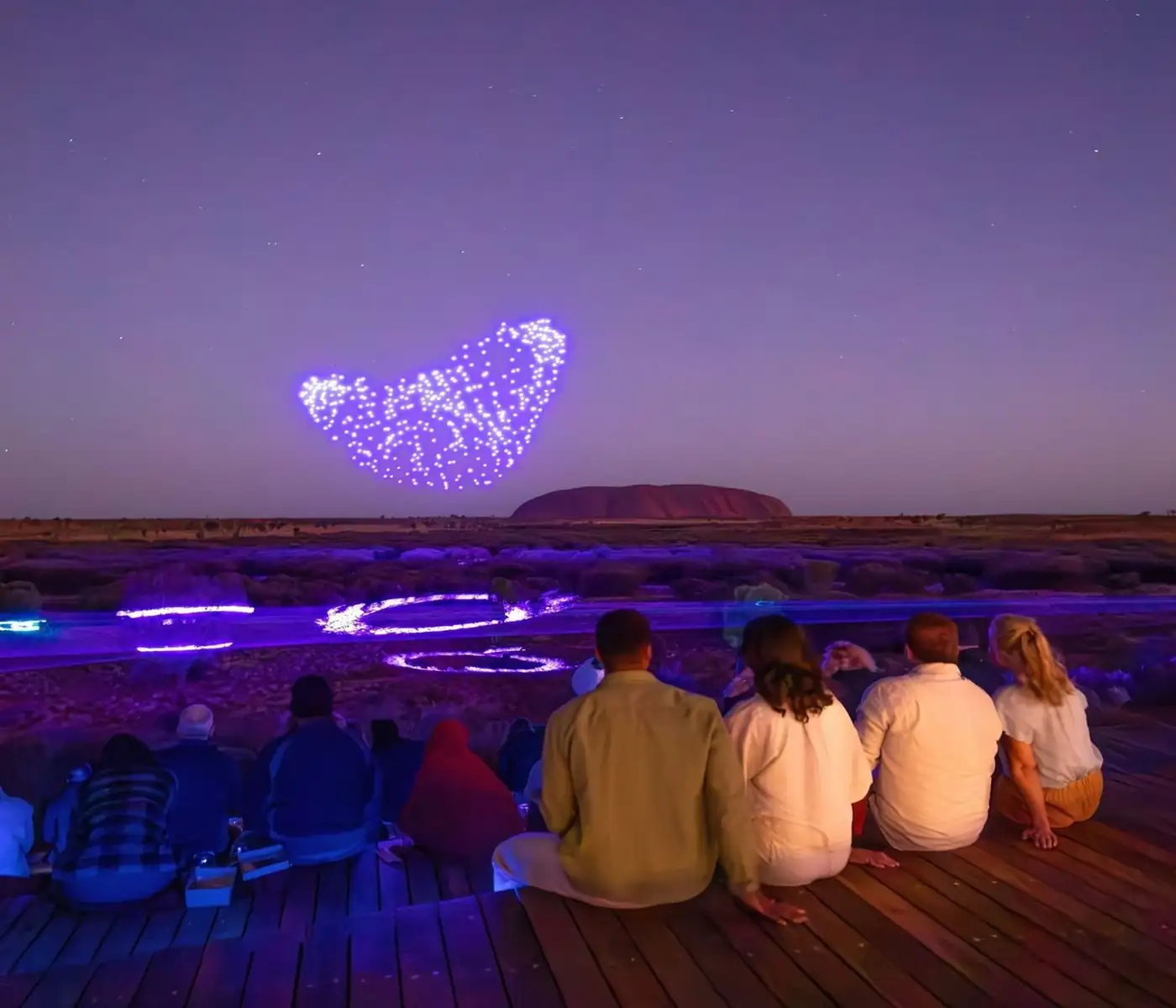
You can get a glimpse of the stars from almost anywhere in the Voyages Resort grounds, but a few special spots will keep you away from the glow of walkway lights and give you a clearer view of the horizon.
My Top Spots
-
The Dunes Lookout
It’s one of my fave casual spots – great for a bit of DIY astronomy or for getting your camera ready to go before a session like Capturing the Cosmos or the Dark Skies Festival (so you know what to expect).
-
Resort Campground
If you’re parked under a gum tree with your swag, you’re basically in your own planetarium, minus the midnight run to the dunny. A red-light headtorch will help you read an astronomy guide without ruining your night vision (you don’t want that to happen).
-
Desert Gardens Lookout Track
This is a fave for astrophotographers chasing Uluru silhouettes and crisp Milky Way shots. Great spot to warm up before bigger events like the Uluru Astronomy Weekend or the Galactic Star Ball.
-
Quiet pathways between lodges
You don’t need all the fancy gear – just step away from the lights of the lodges, hang in for 20 minutes, and let the universe do its thing.
Seasons, Weather and Reality Checks
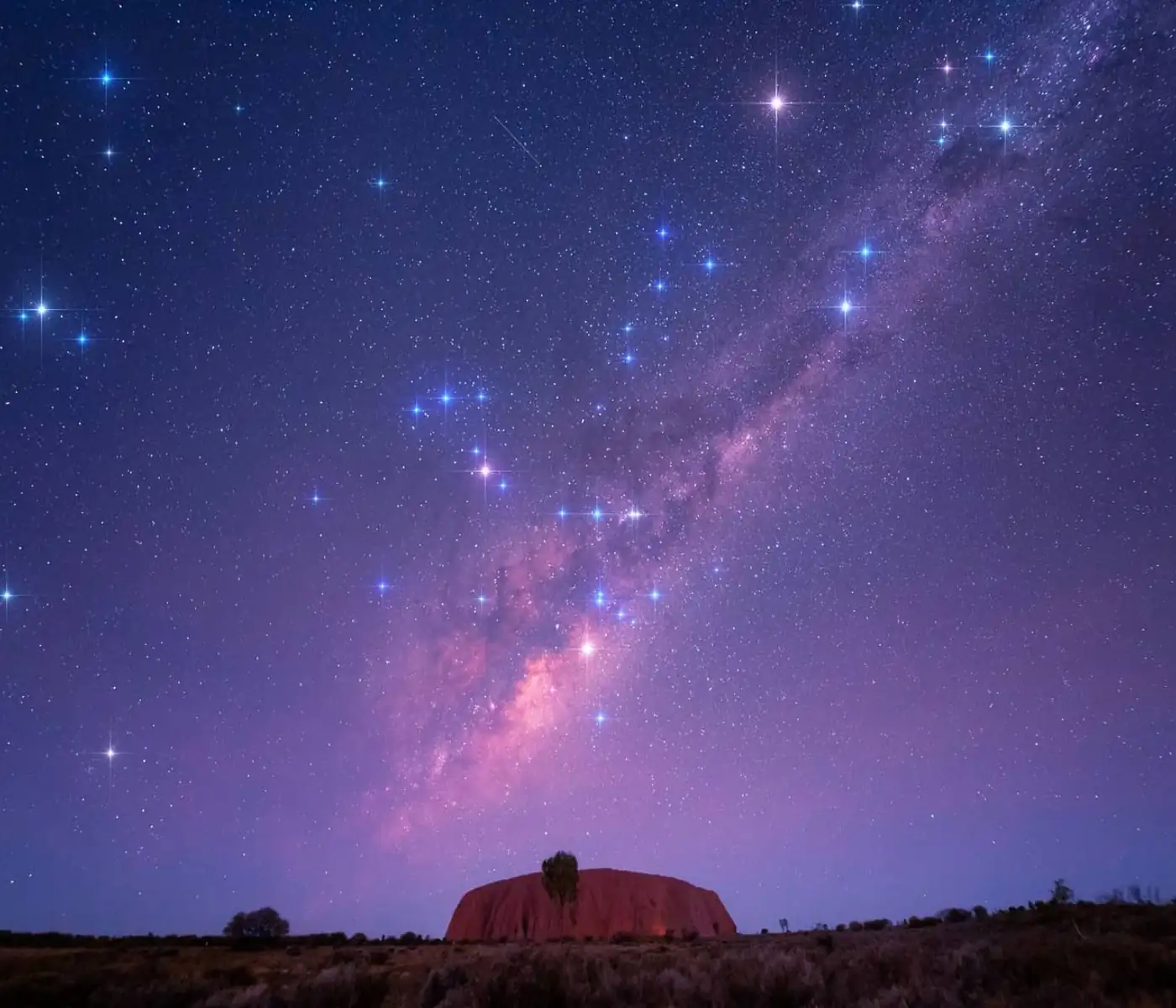
The dry season is your mate. From May to September, Outback weather works in your favour: chilly nights, low cloud, and clear skies.
The wet season brings humidity and storms, which can spice things up for astrophotography but will probably ruin your Uluru itinerary if you’re counting on perfect skies.
Temperature Check
A winter night here can be pretty harsh. Don’t under-estimate it – bring some warm clothes, or you’ll regret it.
Local Stargazing Tours Worth Your Time
I mean, the DIY experience is awesome. But a guided tour will give you access to worlds you won’t discover on your own – stories, science, and cultural knowledge all mixed together.
Astro Tours
Whether you book online for Outback Sky Journeys, join up with the Star Talk Team, or sit in on a session inspired by the Australian Research Council Centre of Excellence for All-sky Astrophysics, you’ll get to use telescopes and laser pointers, and get some deep-sky insights.
Indigenous Star Stories
Ask about Wati Ṉeru, Tali Wīru, or local Indigenous star stories connected to the sky. These perspectives turn astronomy into something that feels alive – not just science, but culture, law and country.
How to Avoid Common Stargazing Disappointments
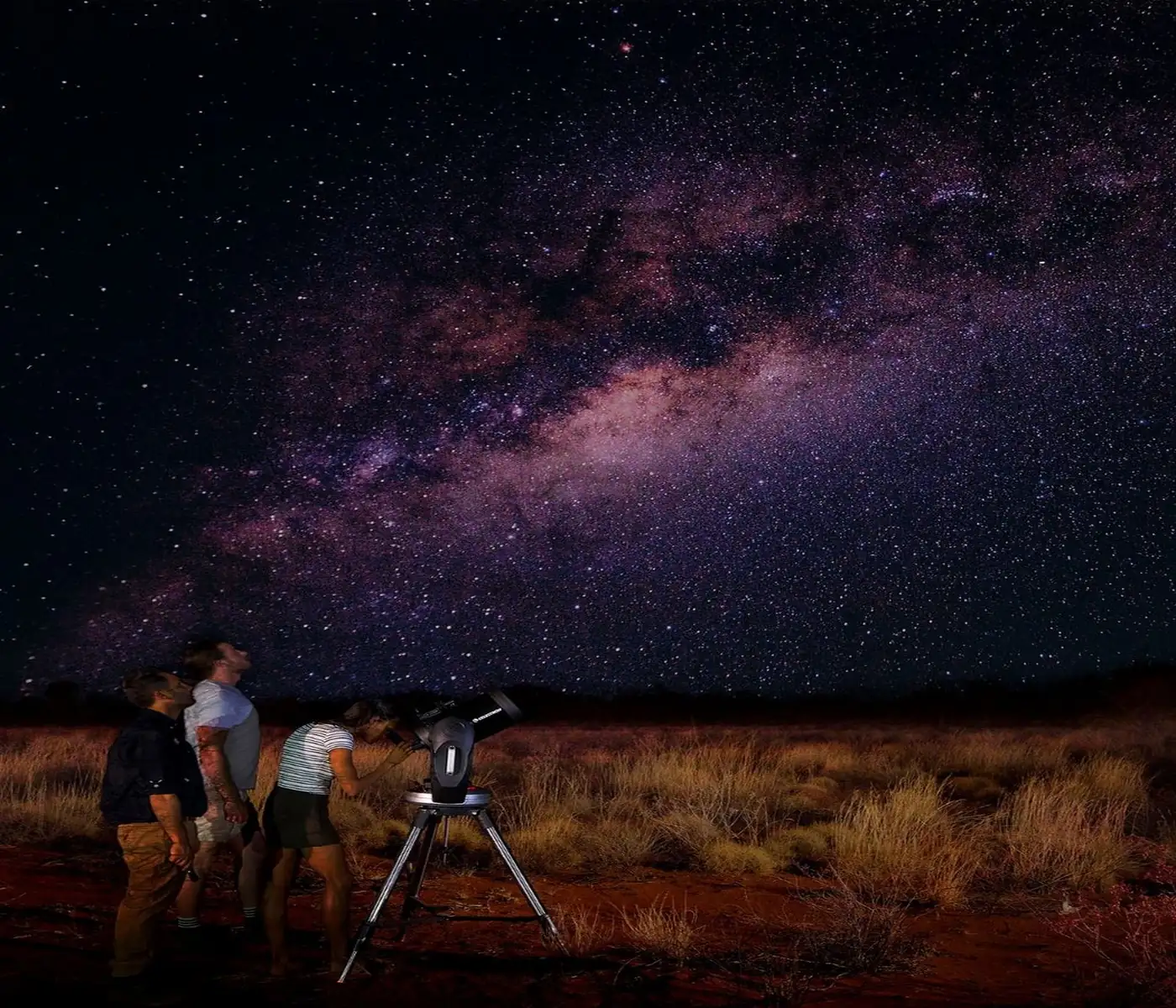
Over the years, guiding at Uluru – Kata Tjuta National Park, we’ve seen every possible mistake there is to make.
Mistakes (and Fixes)
- Standing too close to resort lights – it’s just not worth it, get further away
- Checking your phone – it’ll totally ruin your night vision in seconds
- Expecting mind-blowing detail – newsflash, we’re not as good as Hubble
- Ignoring the rules about park access at night – can’t enter the park after dark, sorry
- Not packing enough warm clothing – trust us on this one, it gets pretty chilly
The Red-Light Headlamp Tip
They help preserve your eyesight and prevent you from blinding the poor bugger next to you who just wants a clear view of the night sky.
A Handy Timeline
- 30 minutes after sunset, twilight starts to fade
- 60–90 minutes later, the Milky Way starts to show in all its glory
- 11 pm–2 am is when the viewing is really at its peak
- Just before dawn, when the skies are at their darkest
This timeline is a great reference point if you’re planning to get out there before a big photo shoot or to get your astronomy gear in order for a guided tour.
Quick Essentials
- Pack some decent layers, don’t get caught out
- Get a good red-light headlamp for your eyes and your fellow stargazers
- A tripod will help you keep your camera steady
- Take some water and a thermos for when you’re out there for a while
- Don’t rely on your phone for navigation; get an offline star map
- Have some patience – it really does take a while to get to true dark skies
- If you’re heading out with a guide, keep an eye on your tour duration
FAQ
Can I see the stars from my hotel balcony?
Yes, especially if you’re at Desert Gardens Hotel or Sails in the Desert – just head on out a few metres into the dark and the stars will be shining like crazy.
Can I see Uluru or Kata Tjuta silhouetted at night?
Yes, from certain lookouts – but don’t try to go inside the park at night because it’s closed off by Australian law.
Are there mozzies at night?
Is it warm? Absolutely. Bring some repellent to keep them at bay. If it’s winter, not so much drama.
Do I need to book stargazing tours in advance?
Yeah – many of these sessions fill up quickly. Always try to book online through Voyages Indigenous Tourism Australia channels.
Can I bring my own telescope to the park?
Absolutely. Just follow the guidelines and stay away from lit areas. Many of our regulars bring their gear to the Uluru Astronomy Weekend or Capturing the Cosmos events.